What Is Wake ID Used For? Everything Explained Simply
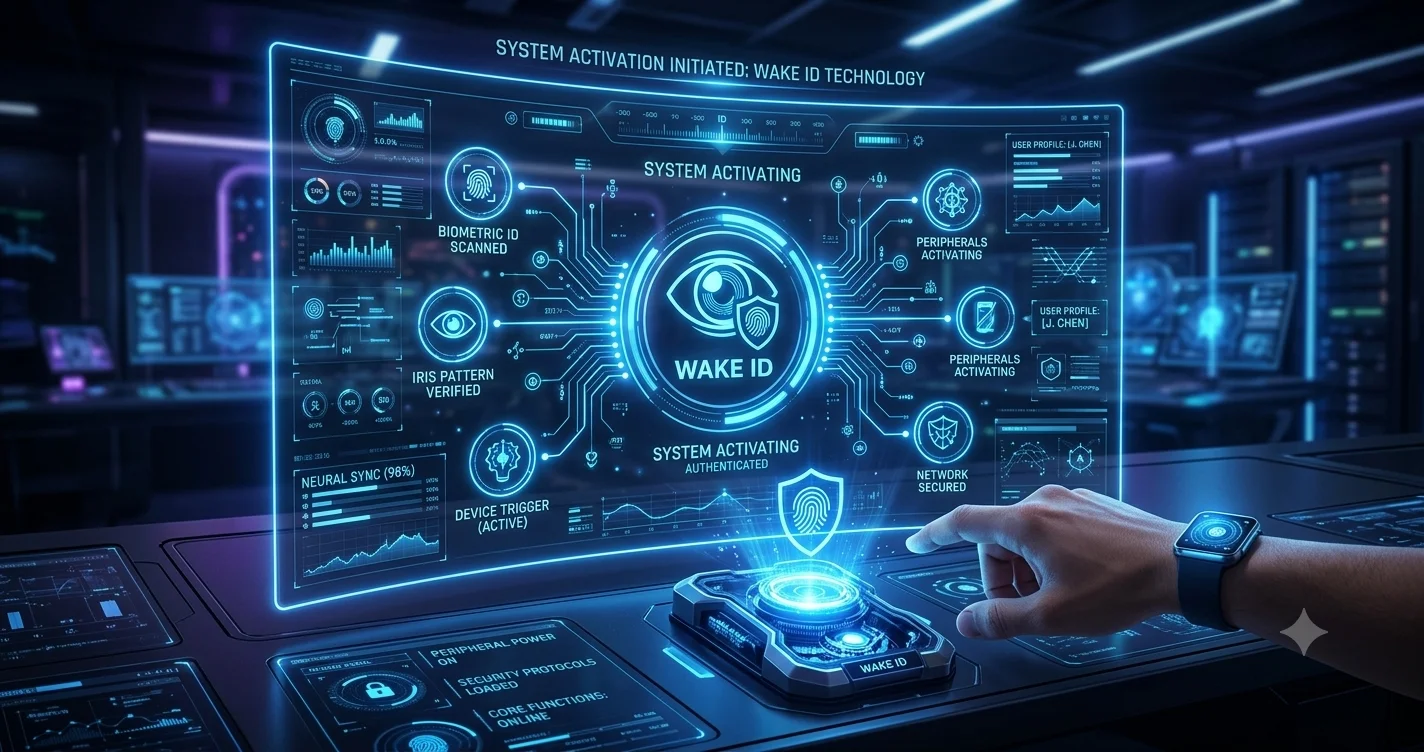
If you’ve come across the term wake ID and felt unsure about what it actually means, you’re not alone. It sounds technical, maybe even a bit cryptic, but once you break it down, the idea becomes much easier to understand. In simple terms, wake ID is connected to how systems recognize, trigger, or activate processes based on specific identifiers.
This guide walks you through everything you need to know—what wake ID is, how it works, where it’s used, and why it matters in real-world applications. No complicated explanations, just a clear and practical breakdown.
What is Wake ID?
At its core, wake ID refers to a unique identifier used to trigger or “wake up” a system, device, or process. It acts as a signal that tells a system when to start functioning, respond, or perform a specific action.
A Simple Way to Understand It
Think of wake ID as a digital alarm trigger:
- It activates a system when needed
- It identifies which process should respond
- It ensures the right action happens at the right time
Instead of systems running continuously, wake ID allows them to stay idle until they’re required—saving resources and improving efficiency.
Why Wake ID is Important
Modern systems rely heavily on efficiency and automation. Running everything all the time isn’t practical, which is where wake ID becomes valuable.
Key Reasons It Matters
- Energy Efficiency
Systems only activate when needed, reducing power usage. - Automation Support
Processes can run automatically without manual input. - Faster Response Time
Systems react instantly when triggered. - Better Resource Management
Avoids unnecessary system load.
Wake ID plays a small but critical role in making systems smarter and more responsive.
How Wake ID Works
Understanding how wake ID works doesn’t require deep technical knowledge. The concept is straightforward.
Basic Working Process
- A system remains in a low-power or idle state
- A wake ID signal is generated
- The system recognizes the identifier
- The relevant process is activated
This sequence ensures that only the required function runs, keeping everything efficient.
Real-World Uses of Wake ID
Wake ID is not just a theoretical concept—it’s used in many everyday technologies.
1. Smart Devices
Devices like smartphones or smart home systems use wake IDs to:
- Activate voice assistants
- Turn on screens
- Respond to user commands
2. Network Systems
In networking, wake ID helps:
- Wake devices remotely
- Trigger data transfers
- Maintain system communication
3. Software Applications
Applications use wake IDs to:
- Run background tasks
- Send notifications
- Sync data automatically
4. IoT (Internet of Things)
Connected devices rely on wake IDs to:
- Communicate with each other
- Perform scheduled actions
- Respond to external triggers
Read more: Warmup Cache Request Explained
Key Components of Wake ID Systems
To understand wake ID better, it helps to break it into parts.
Core Elements
- Identifier Code – The unique signal that triggers activation
- Receiver System – The system that listens for the signal
- Trigger Logic – Rules that decide what happens next
- Execution Process – The action that runs after activation
Each component plays a role in ensuring smooth and accurate operation.
Wake ID Overview Table
| Component | Description | Benefit |
|---|---|---|
| Identifier Code | Unique signal used for activation | Accurate triggering |
| Receiver System | Detects the wake ID | Reliable response |
| Trigger Logic | Determines what action to take | Controlled execution |
| Execution Process | Runs the required task | Efficient performance |
| Power Management | Keeps system idle until needed | Energy saving |
This table highlights how wake ID systems are structured. Each part contributes to a process that is efficient, responsive, and resource-friendly. Instead of running continuously, systems operate only when triggered, which is a major advantage in modern technology.
Benefits of Using Wake ID
Wake ID offers practical advantages across different environments.
1. Improved Efficiency
Systems only run when needed, reducing unnecessary workload.
2. Energy Savings
Idle systems consume less power, which is especially important for mobile and IoT devices.
3. Faster Operations
Trigger-based systems respond quickly without delays.
4. Automation Friendly
Wake ID supports automated workflows without constant monitoring.
5. Better System Control
Processes are clearly defined and easy to manage.
Common Misconceptions About Wake ID
Because it sounds technical, people often misunderstand wake ID.
Misconception 1: It’s a Complex Technology
Reality: The concept is simple—trigger and response.
Misconception 2: It’s Only for Developers
Reality: It’s used in everyday devices that anyone interacts with.
Misconception 3: It’s Always Running
Reality: Wake ID is specifically designed to avoid continuous operation.
When Should You Use Wake ID?
Wake ID becomes useful when efficiency and automation are priorities.
Signs You Need It
- Systems are consuming too much power
- Processes run unnecessarily
- Automation is required
- Faster response times are needed
Ideal Use Cases
- Smart home systems
- Mobile applications
- IoT devices
- Network management tools
How to Implement Wake ID Effectively
You don’t need to overcomplicate implementation. Focus on clarity and purpose.
Step-by-Step Approach
- Define the Trigger
Identify what should activate the system - Assign a Unique ID
Ensure the signal is distinct - Set Clear Logic
Decide what happens after activation - Test the System
Make sure it responds correctly - Optimize Performance
Adjust based on real usage
This approach keeps things simple and effective.
Challenges You Might Face
Like any system, wake ID comes with challenges.
Common Issues
- Incorrect trigger signals
- Delayed responses
- Misconfigured logic
How to Solve Them
- Use clear and unique identifiers
- Test regularly
- Keep logic simple and structured
Wake ID vs Traditional Systems
Understanding the difference helps highlight its value.
Key Differences
- Traditional systems run continuously
- Wake ID systems activate only when needed
- Older methods consume more resources
- Wake ID improves efficiency and control
This shift is essential for modern technology.
The Future of Wake ID
As technology evolves, wake ID will become even more important.
Emerging Trends
- Greater use in smart devices
- Integration with AI systems
- Increased role in automation
Wake ID is a small concept with a big impact on how systems operate.
Conclusion
Wake ID might sound like a technical buzzword, but it’s actually a simple and powerful idea. It allows systems to stay efficient, responsive, and controlled without wasting resources.
In a world where automation and smart technology are becoming the norm, concepts like wake ID play a key role behind the scenes. Once you understand how it works, you start noticing its impact everywhere—from the phone in your hand to the systems running in the background.
FAQs
1. What is wake ID in simple terms?
Wake ID is a unique signal or identifier used to activate a system or process when needed.
2. Where is wake ID used?
It is used in smart devices, software applications, networks, and IoT systems.
3. Is wake ID difficult to understand?
No, it’s based on a simple trigger-and-response concept.
4. Why is wake ID important?
It improves efficiency, saves energy, and supports automation.
5. Can wake ID be used in everyday devices?
Yes, many devices like smartphones and smart home systems use it.
Thanks for visit Techwory